Capturing Holiday Cheer: The Christmas Plaid Font Advantage
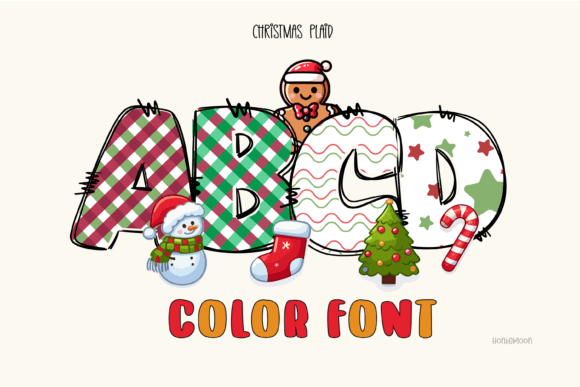
There is a specific warmth that evokes the holiday season before a single word is even read, and that feeling often comes from the timeless pattern of tartan. We associate this classic textile with cozy evenings, wrapping paper, and vintage decorations, making it a powerful visual shorthand for nostalgia. Integrating this aesthetic directly into your typography is a game-changer for seasonal marketing. By utilizing a typeface like Christmas Plaid, you move beyond standard text and inject a tactile, festive spirit into your projects. This creative font mimics the intricate weave of holiday fabric, allowing you to instantly communicate a seasonal message without relying solely on background images or complex illustrations.
The Power of Pattern in Typography
Standard typography serves its purpose, but during the competitive holiday season, blending in is not an option. The visual appeal of a plaid font lies in its complexity and texture. It transforms flat letters into dimensional design assets that catch the eye. When you use a display font that incorporates traditional tartan colors—deep reds, forest greens, and midnight blues—you create an immediate emotional connection with the viewer. It suggests tradition, comfort, and celebration all at once.
This style of modern typography is particularly effective for brands that want to position themselves as approachable and festive. Whether you are a small business owner selling handmade goods or a content creator building a seasonal campaign, the texture of the font adds a layer of perceived value to your work. It suggests that care and attention to detail have gone into the design, which can translate into how customers perceive your products or services.
Practical Applications for Festive Branding
Understanding where to deploy this specific style of creative font is key to maximizing its impact. Because it is a bold, visual statement, it works best in specific contexts where readability at a glance is prioritized over long-form reading.
Here are several practical ways to incorporate the Christmas Plaid aesthetic into your workflow:
- Packaging Design: For small businesses, the unboxing experience is vital. Using this typeface on hang tags, sticker labels, or tissue paper creates a cohesive look that screams "holiday gift." It pairs exceptionally well with kraft paper and twine for a rustic, artisanal vibe.
- Social Media Graphics: Instagram and Pinterest feeds become incredibly crowded in December. A header or quote written in a plaid texture stands out against solid backgrounds. It is perfect for announcing sales, holiday hours, or festive greetings.
- Logo Variations: Many brands create seasonal variations of their logos. Swapping your standard serif font or sans serif font for a holiday-themed display font on your website header or email signature can show that your brand is current and engaged with the season.
- Print Materials: From posters advertising local markets to flyers for end-of-year sales, the bold nature of this font ensures your message is seen. It is also excellent for personalized Christmas cards or invitations where you want to mimic the look of a wrapped present.
Technical Compatibility and Workflow Efficiency
One of the most common frustrations designers face is finding a beautiful asset only to discover it doesn't work with their software. It is crucial to understand the technical specifications of premium font files to ensure a smooth design process. The Christmas Plaid font usually comes in different versions to accommodate various workflows, specifically distinguishing between solid color versions and textured versions.
The black version of this font is typically designed as a standard vector outline. This makes it fully compatible with a wide range of cutting machines, including popular options used for crafting. If you are working with physical materials—vinyl decals, iron-on transfers, or paper cutouts—this version is your go-to. It allows the software to read the cut lines accurately, ensuring a clean finish on your merchandise.
However, the color version—where the plaid pattern actually fills the letters—is more complex. Because it relies on transparency and layering to create the fabric effect, it functions differently than standard text. This version is generally compatible with robust design software like Adobe Photoshop, Illustrator, Silhouette Studio, and Inkscape. It is important to note that these specialized OTF or TTF files for the color version often are not supported by basic cutting machine software like Cricut Design Space, as those platforms struggle to interpret the color layers for cutting paths. Always verify your software's capability to handle color fonts before purchasing to avoid workflow bottlenecks.
Strategic Font Pairing and Readability
A common mistake in graphic design is using a decorative font for everything. While the Christmas Plaid typeface is stunning, using it for body copy would make long paragraphs unreadable and visually cluttered. The key to professional presentation is balance.
When designing marketing assets or editorial layouts, pair your plaid display font with a clean, neutral typeface. A simple sans serif font like Helvetica, Arial, or a modern geometric sans works best. The simplicity of the sans serif allows the intricate details of the plaid to shine without competing for attention. Conversely, a classic serif font like Garamond can add an elegant, traditional touch if you are aiming for a more vintage holiday aesthetic.
Consider the hierarchy of your information. Use the Christmas Plaid font for headlines, short phrases, or single words that need to grab attention. Use your secondary font for dates, locations, pricing, and descriptions. This contrast not only improves readability but also guides the viewer’s eye to the most important information first.
Elevating Digital Products and Merchandise
For entrepreneurs in the digital space, this font opens up numerous opportunities for product creation. If you sell digital downloads on platforms like Etsy or Creative Market, a festive typeface can be the foundation of your seasonal collection.
- Digital Planners: Use the font for section headers in digital planners to give them a seasonal flair that customers love.
- Printables: Create wall art, gift tags, or party decorations. The font does the heavy lifting visually, meaning you can create simple, high-value products quickly.
- Website Banners: Update your e-commerce store banners to reflect the holiday spirit. A quick font swap can refresh your entire site's look for the season.
When creating merchandise like t-shirts, mugs, or tote bags, the texture of the plaid adds a high-quality feel that customers appreciate. It mimics the look of a screen-printed or embroidered design, even when it is simply a digital print. This perceived quality can help justify premium pricing for your goods.
Navigating Licensing and Commercial Use
Before you launch a campaign or list a product for sale, you must address the legal side of design assets. Using a font for a personal project is different from using it for commercial gain. Most premium fonts come with specific licensing agreements that dictate how the font files can be used.
Generally, a commercial license allows you to use the font in products you sell—whether that is a physical t-shirt or a digital PDF template. However, you usually cannot redistribute the font files themselves. This means you cannot sell the font to someone else or include the raw files in a bundle of assets you are selling.
Always review the license included with your download. If you are working with a client, ensure your license covers work created for third parties. Understanding these terms protects your business legally and supports the type designers who create these complex, artistic tools. Investing in legitimate, licensed fonts is a hallmark of a professional designer and ensures you have access to updates and support.
By thoughtfully integrating a pattern-based typeface into your seasonal designs, you bridge the gap between text and imagery. It is a strategic move that enhances brand recognition, captures the festive mood, and ultimately drives engagement during the busiest time of the year.