Cranberry Inline: A Bold, Colorful Font for Modern Branding
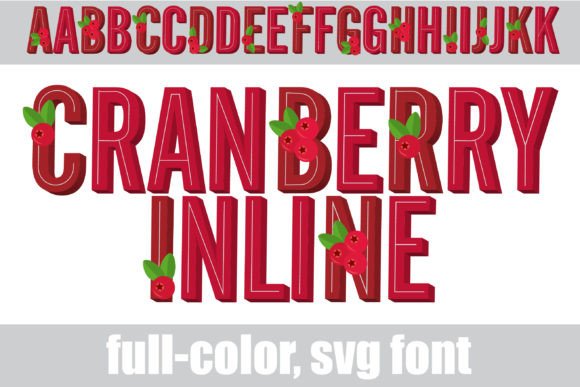
Imagine a typeface that doesn’t just sit quietly on the page but makes a confident, vibrant statement the moment it appears. That’s the energy of Cranberry Inline, a full-color SVG font that combines the clean structure of a sans serif with a striking visual twist. Its uppercase letters feature a bold red fill with a crisp white inline detail, creating an immediate sense of depth and modernity. For designers and creators looking to inject personality and visual punch into their work, this font offers a unique tool that goes beyond standard typography.
Understanding the Visual Appeal of This Modern Typeface
At its core, Cranberry Inline is a display font designed for impact. The “inline” effect—where a secondary line runs parallel to the main letterform—adds a sophisticated, dimensional quality that flat fonts can’t match. The color combination of vibrant red and clean white is inherently eye-catching and evokes feelings of energy, passion, and clarity. What makes it particularly versatile is its foundation as a sans serif font. This gives it a modern, approachable feel that pairs well with a wide range of design styles, from minimalist to bold and graphic.
A key practical note for using this font effectively is its case sensitivity. While the uppercase letters showcase the iconic cranberry-red color, mixing in lowercase letters as you type can create a more dynamic and readable composition. This isn’t just about aesthetics; it’s about function. The alternate case often provides additional color options, accessible through your system’s character map or design software’s glyph panel, allowing you to customize the palette to match specific brand guidelines or project themes.
Practical Applications for Designers and Entrepreneurs
The true value of a creative font like Cranberry Inline is measured by how it performs in real-world projects. Its vector-based SVG format means it scales perfectly for both a tiny favicon and a massive billboard without any loss of quality. This scalability makes it an excellent asset for a variety of applications.
- Brand Identity & Logo Design: It can serve as the cornerstone of a memorable logo, especially for brands in food, beverage, lifestyle, tech startups, or creative agencies. The inline detail adds a unique signature that can be referenced across other brand assets.
- Packaging & Merchandise: On product labels, boxes, or apparel, the font’s color and texture can help a product stand out on a crowded shelf. It communicates quality and creativity instantly.
- Marketing & Social Media: For Instagram graphics, Facebook ads, or website banners, the font grabs attention in a fast-scrolling feed. It’s perfect for headlines, calls-to-action, and promotional text where you need to be seen.
- Print & Editorial Design: Think magazine covers, event posters, or stylish invitations. It brings a contemporary, editorial edge to layouts, making pages feel more engaging and visually structured.
- Digital Products & Web Design: When used for key headings on a landing page or in a digital course, it can elevate the perceived value and professionalism of the offering.
Integrating a Premium Font into Your Workflow
Adopting a new design asset requires a bit of strategy. First, always review the full font package. Cranberry Inline typically includes the primary color SVG version and often a standard single-color OpenType (OTF) fallback. The SVG version will display its full color in compatible programs, while the OTF version ensures your text remains legible even in environments that don’t support color fonts.
Installation is straightforward—it installs like any other font file. However, compatibility is crucial. You’ll see the full-color design in software like Adobe Illustrator, Photoshop, Silhouette Studio, and Inkscape. In other programs, it may render as a solid black silhouette, which is why having the alternate OTF version is so useful for drafts or documents where color isn’t essential.
When pairing Cranberry Inline with other typefaces, contrast is your friend. Its bold, decorative nature works best as a headline or accent font. Balance it with a simple, highly readable serif or sans serif font for body text. For example, pair it with a clean geometric sans serif for a modern tech look, or with a classic serif for a more sophisticated, editorial feel. Always test your font pairings in the context of your actual design to ensure hierarchy and readability are clear.
Making the Most of Your Design Investment
Choosing a premium font is an investment in your brand’s visual language. To maximize its return, consider these practical steps:
- Define Its Role: Decide where this font will have the most impact. Is it primarily for your logo? For all your social media headers? Having a clear role prevents overuse and maintains its effectiveness.
- Check Licensing: Understand the commercial license that accompanies the font. Most premium fonts allow use in digital and print projects for both personal and commercial purposes, but it’s always best to verify the terms for client work or merchandise.
- Create a Style Guide: Document how and when to use the font within your brand or project. Specify its use for headings only, outline acceptable color variations (if the alternate glyph colors are used), and list recommended pairing fonts.
- Test for Readability: While beautiful, display fonts are not meant for long paragraphs. Use it sparingly for maximum impact, and always ensure the text is legible at the intended size and in the intended environment—whether on a mobile screen or a printed poster.
Ultimately, a typeface like Cranberry Inline is more than just letters; it’s a tool for visual storytelling. By applying it thoughtfully, you can create designs that feel cohesive, professional, and uniquely engaging, helping your projects—and your brand—resonate with your audience.