Gobble Giggles: A Playful Font for Memorable Designs
There’s a certain magic in typography that can instantly set a tone. While sleek sans-serifs and elegant serifs have their place, sometimes a project calls for something with a bit more personality—something that sparks a smile before a single word is fully read. Enter a typeface that doesn’t just spell out words; it builds a scene. Imagine letters that come alive with whimsical details, where every character holds a surprise, transforming ordinary text into a playful visual experience. This is the world of creative display fonts, designed not for body copy but for making a bold, unforgettable statement.
What Makes This Typeface Visually Stand Out?
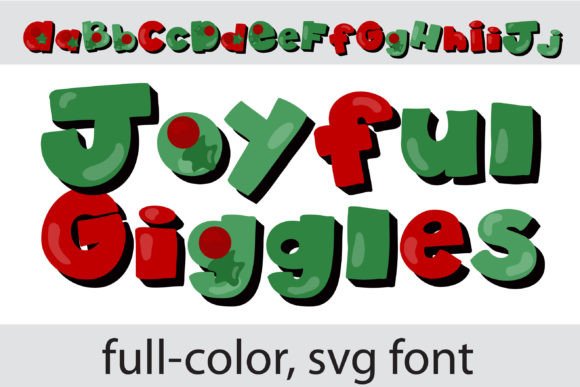
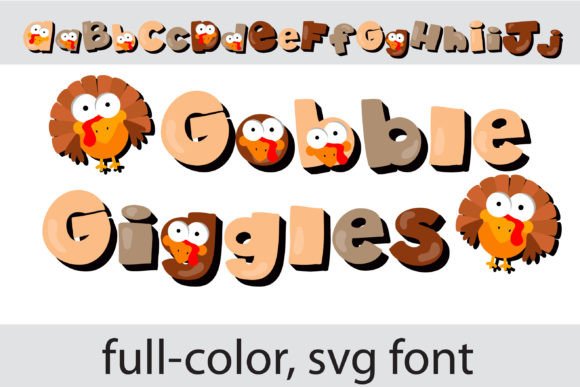
At first glance, this premium font captures attention with its full-color, vibrant design. Each letter is crafted with a fun, rounded form, accented by bold black shadows that give it a satisfying depth and a slightly retro, cartoonish feel. But the real charm is woven into the details: subtle turkey faces are integrated throughout the character set, adding a layer of playful surprise perfect for seasonal or farm-themed projects. For designers who love versatility, there’s an alternate case available. By accessing your system’s character map or using design software like Silhouette Studio, you can unlock additional color variations, giving you more control over your palette. This isn’t just a static set of letters; it’s a dynamic design asset.
As an OpenType full-color (SVG) font, it installs just like any standard .otf file. However, it’s important to know how it behaves across different platforms. In programs that support color fonts—such as Adobe Photoshop, Illustrator, Silhouette Studio, QuarkXPress, and Inkscape—you’ll see the full, colorful magic as you type. In applications that don’t support this technology, the font will render in solid black. A common point of confusion is that even in compatible software, the font preview window might show it in black. The true test is typing directly onto your canvas. This technical note is crucial for a smooth workflow, ensuring your creative vision translates perfectly from idea to execution.
Practical Applications for Every Creative Project
So, where does a font with this much character actually fit into real-world design? Its strength lies in projects where grabbing attention and conveying a specific mood is the primary goal. Think beyond just text; think of it as a central graphic element.
- Brand Identity & Logo Design: For a children’s brand, a quirky bakery, a family farm, or a playful pet service, this typeface can form the core of a memorable logo. Its inherent personality helps build brand recognition instantly.
- Packaging & Merchandise: Product labels, shopping bags, stickers, and merchandise like t-shirts or mugs benefit enormously from a distinctive display font. It turns packaging into a part of the customer experience.
- Marketing & Social Media: Create scroll-stopping graphics for Instagram, Facebook, or Pinterest. It’s perfect for holiday sale announcements, fun quotes, or engaging story templates. The visual flair can significantly boost audience engagement.
- Print & Digital Invitations: Party invitations, holiday cards, or event flyers gain a huge dose of charm. It sets a joyful, welcoming tone from the very first line.
- Editorial & Web Design: Use it sparingly for magazine headlines, blog post titles, or website hero sections to inject energy and guide the reader’s eye. Pairing it with a clean sans-serif for body text maintains readability while maximizing visual impact.
The key is intentionality. This isn’t a font for lengthy paragraphs or formal reports. It’s a strategic tool for moments where you want to inject fun, nostalgia, or a handmade feel into your work.
Integrating Playful Typography Into Your Design Strategy
Choosing a creative font is just the first step. Using it effectively requires a bit of strategy to ensure it enhances rather than overwhelms your project. Here are some practical considerations for any designer or business owner.
Readability is Paramount. Even the most beautiful font fails if people can’t read it. Because this is a display typeface, reserve it for short bursts of text—headlines, subheadings, logos, or call-to-action buttons. Always pair it with a highly legible serif or sans-serif font for body copy to create a balanced hierarchy that’s easy on the eyes.
Match the Font to the Project’s Soul. Ask yourself: does this playful, turkey-accented style align with my brand’s voice? It’s a fantastic fit for themes of harvest, family, fun, and whimsy. For a luxury tech brand or a serious financial firm, it would be a mismatch. Understanding your audience and project goals is fundamental to choosing the right typeface style.
Experiment with Pairings. Create a mockup and test this font alongside others. Try it with a simple geometric sans-serif for a modern, fun contrast, or with a handwritten script for a cohesive, friendly feel. Seeing the combination in context is the best way to judge its effectiveness.
Review All Your Options. Don’t forget to explore the full character set. That alternate case with different colors can be a game-changer for matching specific brand colors or creating unique variations for different materials. Accessing these glyphs is a simple way to get more value from your design assets.
Understand Commercial Use. If you plan to use this font in products for sale, client work, or business marketing, always verify the licensing. Most premium fonts come with clear commercial licenses, but it’s your responsibility to ensure your use complies with the terms. This protects both you and the font creator.
Bringing It All Together
In the vast landscape of modern typography, having a standout creative font in your toolkit is like having a secret weapon for visual communication. It’s about more than just aesthetics; it’s about creating an immediate emotional connection with your viewer. A font like this, with its unique full-color SVG format and integrated playful motifs, offers a direct path to designs that feel joyful, authentic, and utterly unique. By thoughtfully applying it to the right projects and pairing it wisely, you can elevate your branding, captivate your audience on social media, and design print materials that people actually want to keep. It’s a testament to how the right typeface doesn’t just carry a message—it becomes part of the message itself.