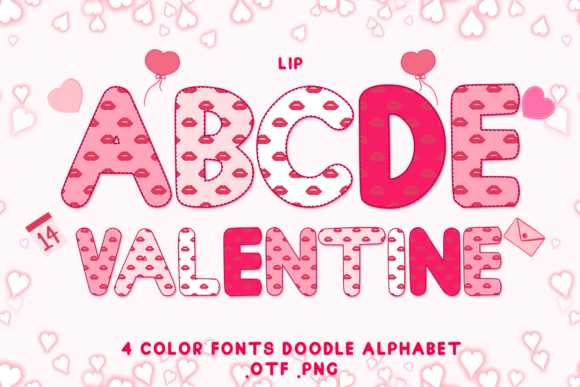
Lip: A Font That Speaks the Language of Love and Creativity
There's a particular feeling that comes with finding the perfect typeface for a project. It's the moment when the letters on the screen stop being just characters and start to embody the emotion, the energy, and the very soul of what you're trying to communicate. For designers, entrepreneurs, and creators, that discovery is pure gold. Today, let's talk about Lip, a font family that doesn't just sit quietly on the page; it speaks. With a personality that balances playful charm with professional polish, it’s a creative asset designed to make your projects feel personal, engaging, and unmistakably vibrant. Whether you're crafting a heartfelt Valentine's campaign or building a brand that feels approachable and modern, this typeface offers a toolkit of possibilities.
More Than Just Pretty Letters: The Anatomy of a Versatile Typeface
At first glance, Lip captivates with its visual warmth. It's not a cold, geometric sans serif, nor is it an overly formal serif. Instead, it occupies a delightful space that feels both handwritten and modern. The letterforms have a subtle, organic flow, with just enough imperfection to feel human and relatable, yet they maintain a clarity and consistency that ensures professional readability. This duality is its greatest strength. It can convey a sense of fun and approachability for a children's brand, or a sophisticated, artisanal quality for a luxury bakery's packaging design.
The true power of Lip lies in its family. A single style is useful, but a family is a design system. Typically, such a premium font will include multiple weights—perhaps a light, regular, and bold—along with italics. This allows you to create visual hierarchy and consistency across all your materials. Imagine using the bold weight for your headline, the regular for body text on your website, and the light for elegant, understated details on an invitation. This kind of typographic control is what separates a amateur project from a polished, professional presentation.
From Digital Screens to Physical Products: Real-World Applications
The versatility of a font like Lip means it can become the backbone of your entire visual identity. Let's break down where it can truly shine.
Building a Brand Identity: Your brand's typeface is its voice. Using Lip as part of your brand identity can instantly communicate that your business is creative, friendly, and detail-oriented. It works beautifully for logo design, especially for brands in the lifestyle, beauty, food, or creative services industries. Pair a script style from the family with a clean sans serif font for your body copy to create a dynamic and balanced font pairing.
Dominating Social Media: In the fast-scrolling world of Instagram, Pinterest, and TikTok, your social media graphics need to stop thumbs. Lip excels here. Its distinctive character makes quotes, announcements, and promotional posts pop. Use it for Instagram stories, Facebook ads, or Pinterest pins to create a cohesive and recognizable feed that boosts audience engagement.
Designing for Print and Packaging: The warmth of Lip translates beautifully to physical products. It's an excellent choice for packaging design for artisanal goods, cosmetics, or gourmet foods. Think of product labels, shopping bags, or thank-you cards. For print materials like business cards, brochures, or event posters, it adds a touch of personality that generic fonts lack. It's particularly effective for editorial design in magazines or lookbooks, adding a conversational tone to headlines and pull quotes.
Crafting Digital and Physical Invitations: This is where Lip truly feels like it was made "from the heart." For wedding invitations, party flyers, or event announcements, its script and handwritten styles evoke intimacy and celebration. It's also perfect for digital products like e-book covers, online course graphics, or downloadable planners, helping your creative assets feel more valuable and thoughtfully designed.
Practical Advice for Integrating Lip into Your Workflow
Finding a beautiful font is one thing; using it effectively is another. Here’s how to make the most of a font like Lip.
Test Your Pairings Thoroughly: Never use a font in isolation. Lip, with its personality, needs a partner. A classic pairing strategy is to combine it with a neutral, highly legible sans serif font (like Open Sans, Lato, or Montserrat) for body text. This ensures your message is clear while your headlines and key phrases carry the stylistic flair. Always test your pairings at different sizes and on different backgrounds.
Respect Readability: While Lip is designed for clarity, its more decorative styles should be used strategically. Avoid setting long paragraphs of body copy in a script or heavily stylized version. Instead, use those styles for headlines, subheads, logos, and short bursts of text where maximum impact is needed. Use the simpler, more regular weights for longer text blocks.
Consider Your Audience and Goal: Match the font's mood to your project's intent. The playful, rounded styles might be perfect for a children's brand or a casual blog. The more refined, elegant styles within the family could suit a boutique hotel or a high-end jewelry line. Always ask: does this typeface support the feeling I want my audience to have?
Understand the Licensing: If you plan to use Lip for commercial projects—which you likely are—you must ensure you have the correct commercial font license. This legally permits you to use the font in logos, merchandise, websites, and client work. Always review the license agreement from the font provider to understand your usage rights fully.
In the end, a font like Lip is more than just a design asset; it's a creative partner. It offers the flexibility to adapt to countless contexts—from the most romantic Valentine's Day card to a crisp, modern website header—while maintaining a consistent, friendly character. Its value lies in its ability to help you tell your story, connect with your audience on an emotional level, and present your work with confidence and style. So, explore its styles, experiment with its combinations, and let it help you communicate not just with words, but with feeling.